Clyde Waterfront Heritage Where the River Tells Scotland's Story

Clyde Waterfront Heritage

Where the River Tells Scotland's Story

Latest Articles

When the Workers Became the Witnesses: Clydeside's Living Historians Take Centre Stage
People & Stories

When the Workers Became the Witnesses: Clydeside's Living Historians Take Centre Stage

Retired shipbuilders, engineers, and dockworkers are stepping out of the shadows of Clydeside's industrial past to become its most authoritative voices. Their firsthand knowledge is quietly revolutionising how heritage sites, museums, and guided tours interpret the river's story — but time is pressing, and the question of how to preserve what they carry is becoming increasingly urgent.
Drawn in Silence: What the Clyde's Historic Maps Chose Not to Show
Heritage & Regeneration

Drawn in Silence: What the Clyde's Historic Maps Chose Not to Show

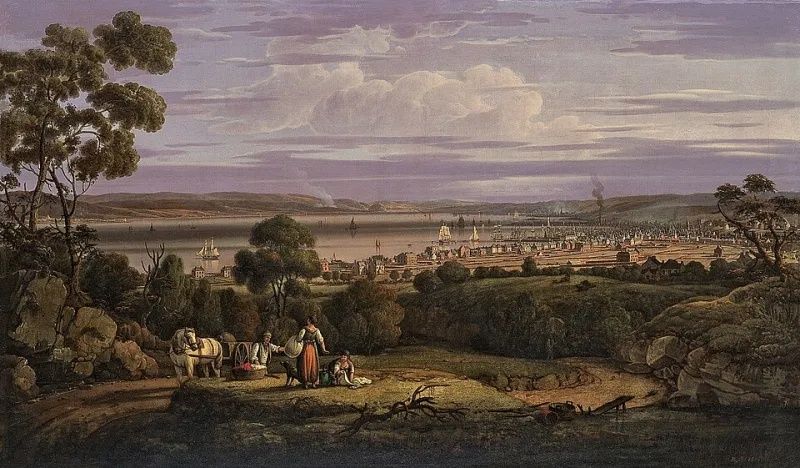
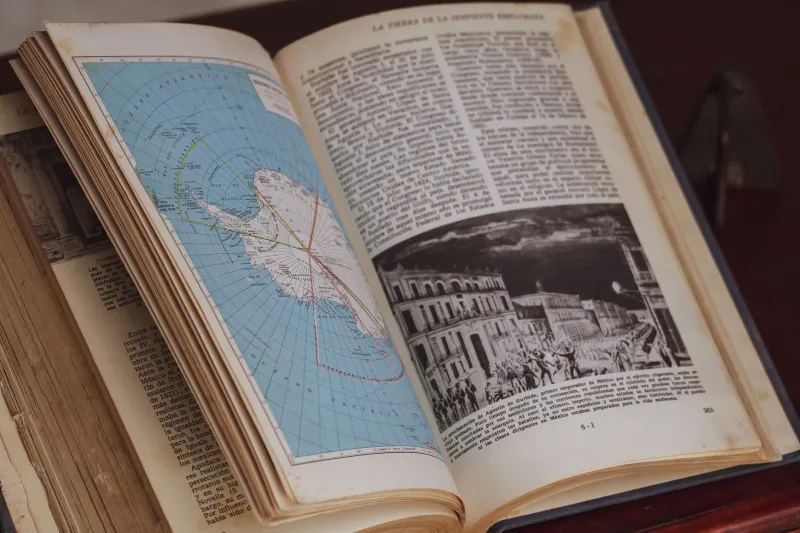
Historical maps of the Clyde waterfront have long been treated as objective records of an industrial landscape. Yet a closer examination of rare archival cartography reveals deliberate omissions — unmarked slipways, erased communities, and informal economies rendered invisible by those who held the pen. What the mapmakers left blank may tell us more about Clydeside than anything they chose to draw.

Last Orders on the Clyde: The Vanished Pubs Where Working Men Shaped a River's Destiny
People & Stories

Last Orders on the Clyde: The Vanished Pubs Where Working Men Shaped a River's Destiny

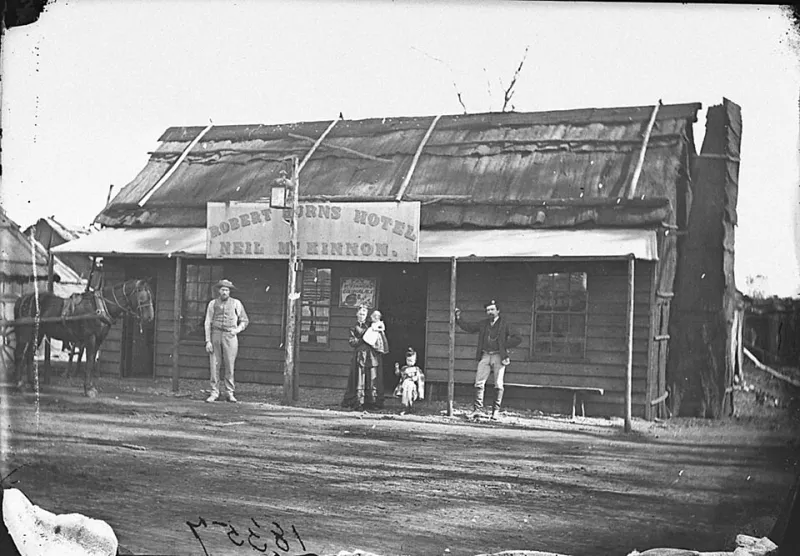
Long before trade union halls and community centres, the public houses lining the Clyde's banks served as the true parliament of the working man. These vanished establishments—smoky, raucous, and fiercely loyal—were where solidarity was forged, grievances were aired, and the unwritten history of Clydeside was composed, pint by pint. To recover their stories is to understand the river itself.

Living Monuments: How the Clyde's Industrial Spaces Are Being Reimagined as Cultural Powerhouses
Heritage & Regeneration

Living Monuments: How the Clyde's Industrial Spaces Are Being Reimagined as Cultural Powerhouses

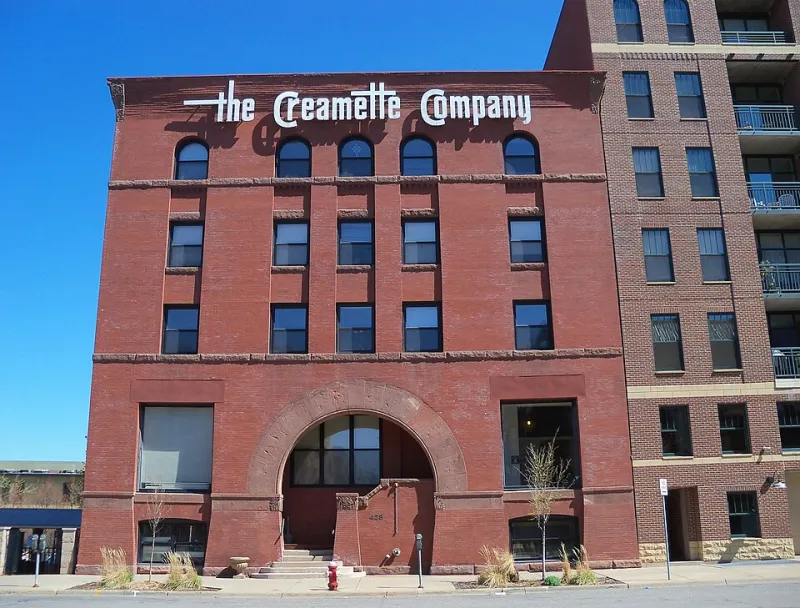
Across the Clyde waterfront, former warehouses, dock buildings, and industrial structures are undergoing a quiet transformation — not into static museums, but into vibrant cultural venues that breathe new life into old bones. A growing number of arts organisations and venue operators are demonstrating that the most compelling way to honour industrial heritage is not to preserve it behind glass, but to fill it with performance, debate, and community. This is the story of how the river's past is b

Drawn but Never Launched: The Phantom Ships Sleeping in Glasgow's Maritime Archives
Heritage & Regeneration

Drawn but Never Launched: The Phantom Ships Sleeping in Glasgow's Maritime Archives

Deep within Glasgow's archival collections lie the detailed blueprints of vessels that never touched water — ambitious designs shelved by economic pressures, strategic reversals, or the simple misfortune of timing. These phantom ships, drawn with extraordinary precision by Clydeside's finest draughtsmen, offer a remarkable window into the innovation culture that once made the river the world's foremost centre of shipbuilding. Archivists and historians are now piecing together their fragmentary s

People & Stories

Unsung Blueprints: The Engineers Who Quietly Transformed the Clyde into a Global Maritime Force

Behind every great dock, every precision-cut channel, and every iron bridge spanning the Clyde stands a figure history has largely chosen to forget. This article recovers the stories of the engineers, surveyors, and planners whose technical brilliance underpinned Glasgow's rise as one of the world's foremost maritime cities — and asks why their names remain so stubbornly absent from the popular record.

Beneath the Surface: What the Clyde's Sunken Vessels Are Still Trying to Tell Us
People & Stories

Beneath the Surface: What the Clyde's Sunken Vessels Are Still Trying to Tell Us

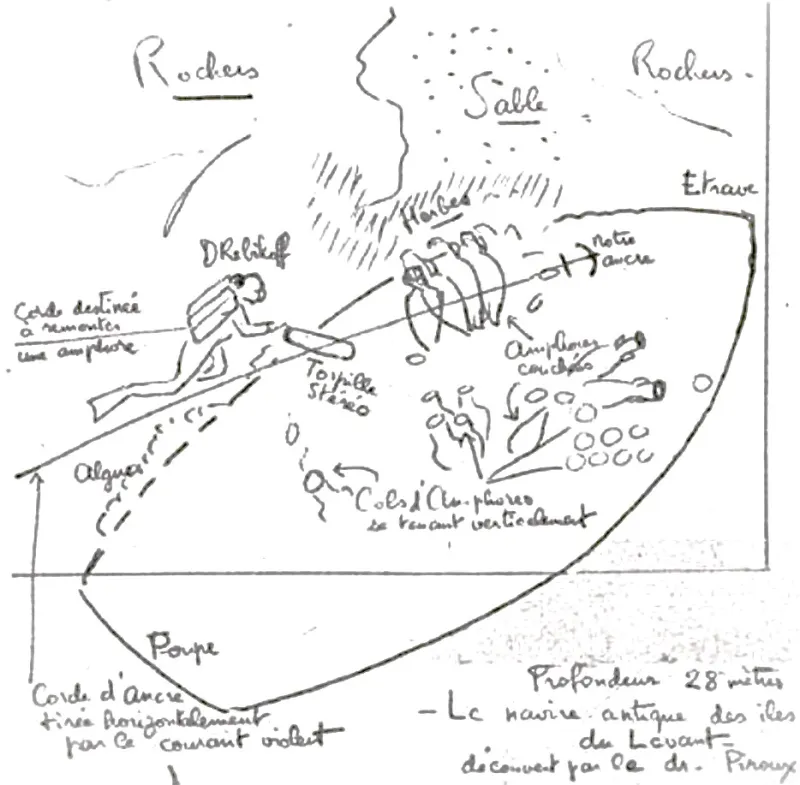
The Clyde's riverbed conceals a remarkable archive of maritime history — a graveyard of vessels lost to collision, misfortune, and deliberate scuttling. Through painstaking underwater archaeology and salvage operations, specialists are now recovering not just artefacts, but the human stories that accompanied ships to the bottom.

From Black Water to Living River: The Ecological Rebirth of the Clyde
Heritage & Regeneration

From Black Water to Living River: The Ecological Rebirth of the Clyde

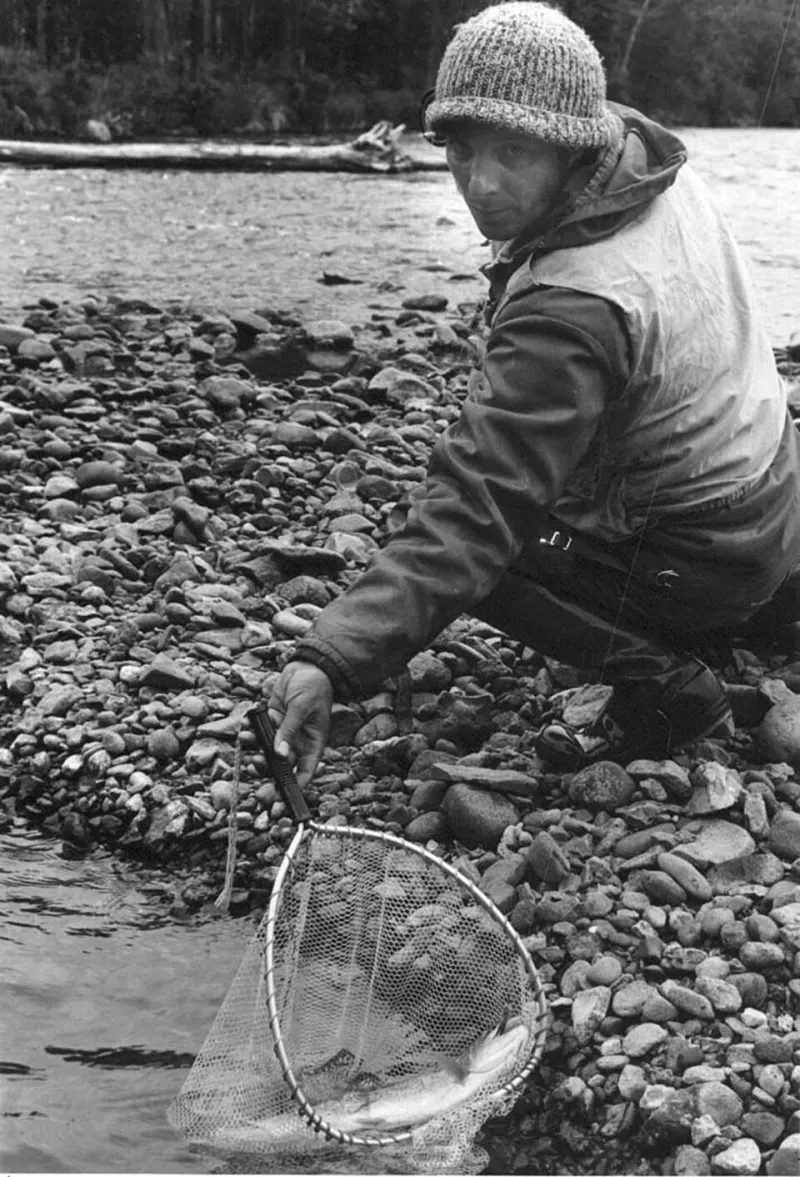
Once among the most polluted rivers in Britain, the Clyde is undergoing a remarkable ecological transformation — one that draws as much from historical knowledge as it does from modern conservation science. Salmon are returning, wetlands are recovering, and visitors are beginning to witness a river rediscovering its natural character. This is the story of how understanding the Clyde's past is shaping its environmental future.

From Rust to Revenue: Can Heritage Tourism Deliver Lasting Prosperity Along the Clyde?
Heritage & Regeneration

From Rust to Revenue: Can Heritage Tourism Deliver Lasting Prosperity Along the Clyde?

The Clyde waterfront has undergone a remarkable transformation in recent decades, shifting from derelict industrial land to a magnet for heritage-conscious visitors and inward investment. But as visitor numbers climb and development projects multiply, a pressing question endures: is this new prosperity reaching the communities who have lived alongside the river's decline for generations?

Unseen Hands: The Women Who Kept Clydeside's Industrial World Running
People & Stories

Unseen Hands: The Women Who Kept Clydeside's Industrial World Running

The story of Clydeside's industrial age has long been told through the language of steel and smoke, of men with hammers and rivet guns. Yet behind every shipyard shift stood an invisible workforce of women — in laundries, boarding houses, canteens, and kitchens — whose labour was no less essential to the Clyde's great engine. Their stories, recovered through oral histories and archival fragments, demand a long-overdue place in the heritage record.

Smoke, Steel, and Silver Halide: The Photographers Who Fixed the Clyde in Time
People & Stories

Smoke, Steel, and Silver Halide: The Photographers Who Fixed the Clyde in Time

Long before the last rivet was driven and the last furnace cooled, a generation of photographers were already at work preserving the Clyde's industrial soul on glass plates and celluloid. Their images — gritty, tender, and often astonishing in their technical daring — did more than document a working river; they shaped how Scotland understood itself. Now, thanks to a quiet revolution in heritage digitisation, those pictures are finding new audiences and new meaning.

Beyond the Beaten Path: Uncovering the Clyde's Forgotten Industrial Walking Routes
Heritage & Regeneration

Beyond the Beaten Path: Uncovering the Clyde's Forgotten Industrial Walking Routes

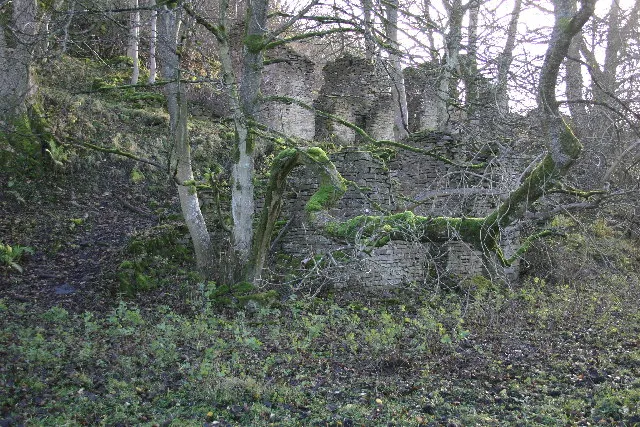
The Clyde's most compelling stories are not always found along its busiest promenades. A network of lesser-known walking routes threads together forgotten forges, workers' memorials, and hidden architectural relics that most visitors — and many locals — have never encountered. This guide offers a new way to read the river, one quiet landmark at a time.

Whistle, Week Off, and Wakes Week: How the Shipyard Clock Became Glasgow's Cultural Compass
Heritage & Regeneration

Whistle, Week Off, and Wakes Week: How the Shipyard Clock Became Glasgow's Cultural Compass

Long before the term 'work-life balance' entered common parlance, the rhythms of Clydeside's shipyards and factories were quietly choreographing the social and cultural life of an entire city. From the chaos of launch days to the sacred ritual of the Glasgow Fair, the industrial calendar did not merely mark time — it made tradition. These are the stories of how the river's working pulse became Glasgow's heartbeat.

Rivets to Routers: The Rebirth of Clydeside's Shipyard Lands as Innovation Quarters
Heritage & Regeneration

Rivets to Routers: The Rebirth of Clydeside's Shipyard Lands as Innovation Quarters

Where men once hammered steel hulls into shape along the banks of the Clyde, a new generation of entrepreneurs is building digital ventures in the shadow of industrial memory. The transformation of former shipyard sites into creative and technology-focused workspaces raises profound questions about what we preserve, what we discard, and who gets to define the river's future.

Behind the Close Door: How Clydeside's Tenement Neighbourhoods Forged a Working-Class World
People & Stories

Behind the Close Door: How Clydeside's Tenement Neighbourhoods Forged a Working-Class World

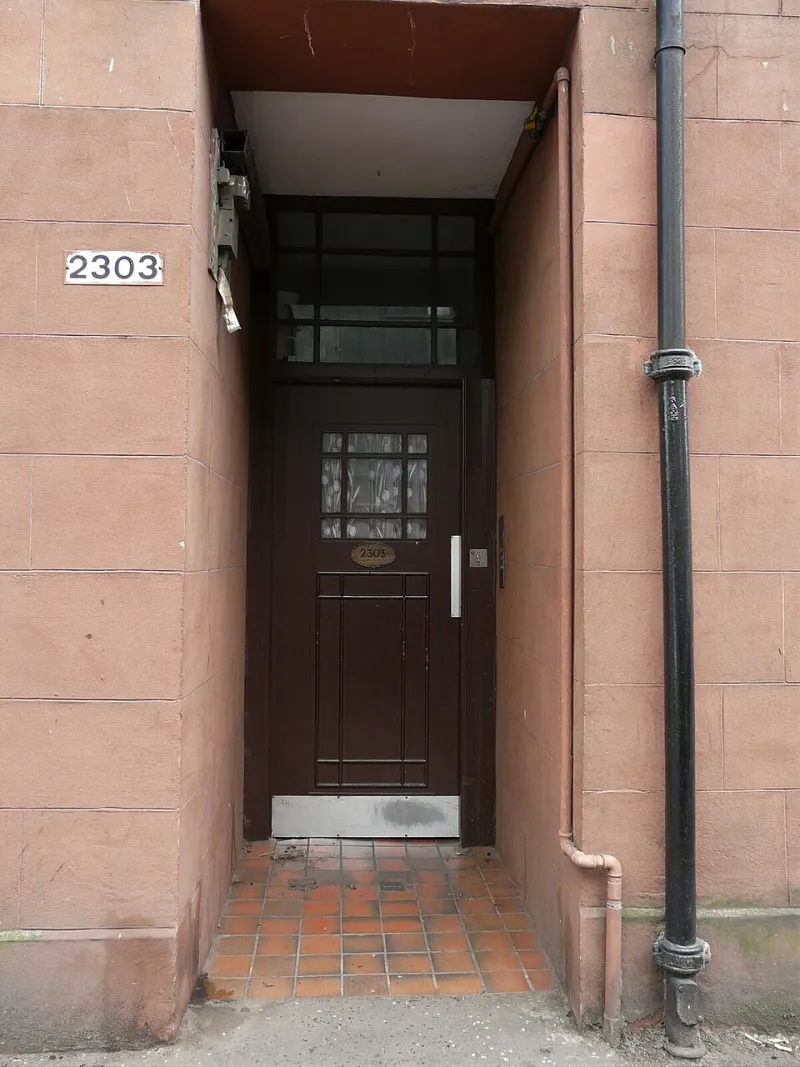
The shipyards shaped the Clyde's skyline, but it was the tenement closes of Govan, Partick, and Greenock that shaped the people who built them. Drawing on resident diaries, oral history recordings, and the testimony of those who grew up in these tightly-packed streets, this article argues that the social world of the close is as central to Clyde heritage as any dry dock or launch record.

Still Waters, Silent Hulls: The Abandoned Vessels That Refuse to Leave the Clyde
Heritage & Regeneration

Still Waters, Silent Hulls: The Abandoned Vessels That Refuse to Leave the Clyde

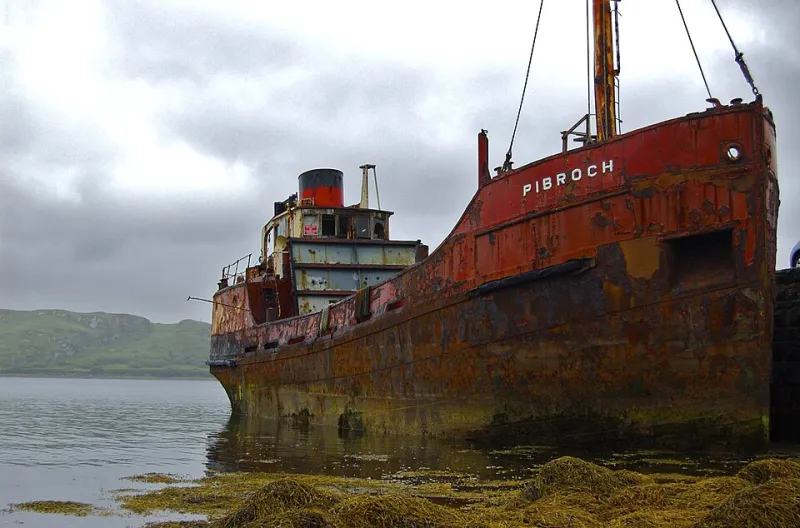
Scattered along the Clyde's banks and anchorages, a fleet of decommissioned vessels and half-forgotten hulks endures as an unplanned memorial to the river's shipbuilding era. For heritage salvage enthusiasts and curious visitors alike, these weathered remnants are becoming unexpected landmarks in their own right. This guide explores where to find them — and what they still have to say.

Listen to the River: Recovering the Lost Sounds of Clydeside's Industrial Age
Heritage & Regeneration

Listen to the River: Recovering the Lost Sounds of Clydeside's Industrial Age

The Clyde was once among the loudest working environments in Britain, a continuous roar of hammers, steam, and human voices that shaped the identity of an entire region. Today, those sounds have fallen silent — but heritage organisations, oral historians, and acoustic archivists are working to ensure they are never entirely forgotten. This piece takes readers on a sensory journey through the river's noisiest era and examines why sound matters as much as stone to understanding Clydeside's industr

Keeping It in the Family: How Clydeside Communities Are Claiming Their Own Heritage
People & Stories

Keeping It in the Family: How Clydeside Communities Are Claiming Their Own Heritage

For much of the twentieth century, the story of the Clyde was told by institutions — museums, civic bodies, and official histories that celebrated engineering feats while leaving the everyday lives of ordinary workers and their families largely in the margins. That is changing. Across the waterfront communities of greater Glasgow and beyond, residents, local historians, and grassroots groups are assembling their own archives, challenging received narratives, and placing family and neighbourhood

Built to Last: A Walker's Guide to the Victorian Engineering Marvels of the Clyde
People & Stories

Built to Last: A Walker's Guide to the Victorian Engineering Marvels of the Clyde

Beneath the surface of the Clyde's well-known landmarks lies a quieter collection of Victorian structures — bridges, hydraulic towers, and riverside warehouses — that represent some of the most inventive engineering of the nineteenth century. Many go unnoticed by visitors who pass within metres of them every day. This guide sets out to change that.

Reclaimed by the City: How the Clyde's Derelict Shores Became Living Landmarks
Heritage & Regeneration

Reclaimed by the City: How the Clyde's Derelict Shores Became Living Landmarks

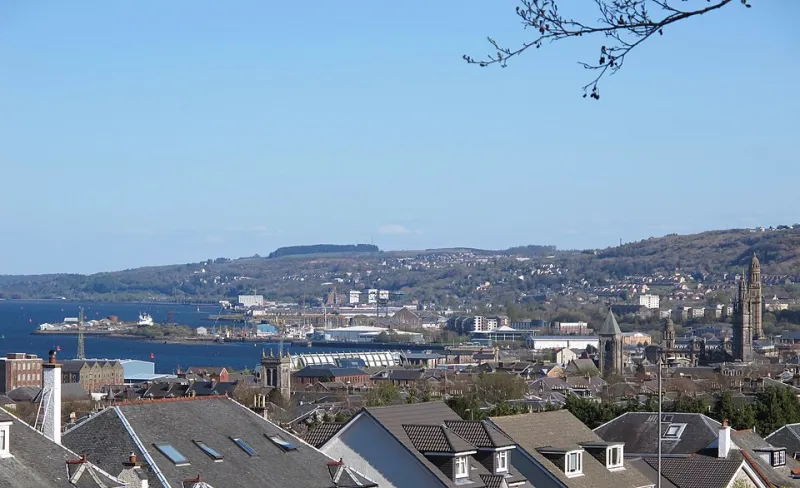
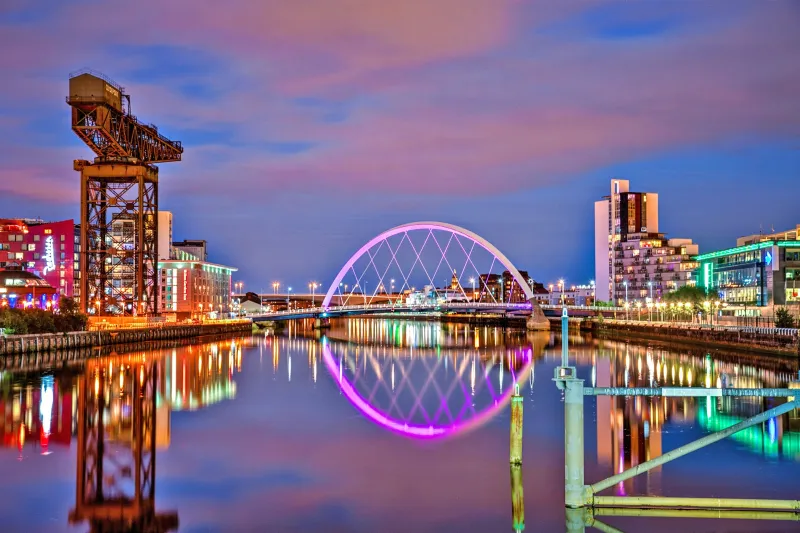
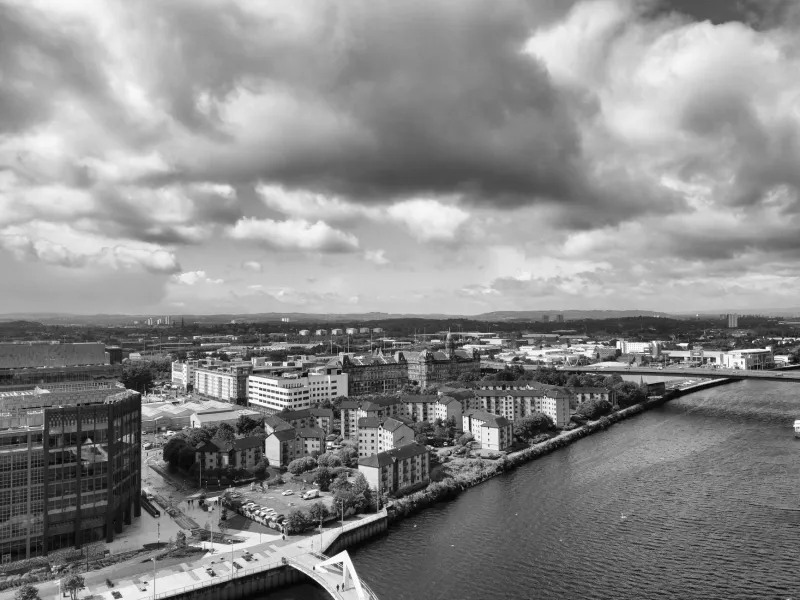
For much of the twentieth century, the banks of the Clyde were defined by closure, silence, and the slow decay of an industry that had once shaped the world. Today, a remarkable succession of regeneration projects has transformed those same shores into spaces that honour the past whilst offering something vital to the present. This is the story of how a river reclaimed its place at the heart of Scottish life.